
CQC Special Measures: What UK Care Homes Learn From the Survey Findings
October 10, 2026
On this page
Ready to be survey-ready?
What CQC special measures actually means for a care home
Special measures is what the Care Quality Commission uses when a provider in England receives an overall rating of Inadequate and the regulator wants close monitoring while the home either improves or exits the market. CQC describes special measures as close monitoring to keep people safe while improvements are made, with a structured timeframe so services understand when they need to improve and what action CQC will take if they do not. There is nothing abstract about it. The clock starts the day the report publishes.
The scale is bigger than most operators realise. Around 247 care homes and 60 homecare services on the CQC register currently sit in special measures following an Inadequate rating, and CQC will re-inspect within 6 months to check for significant improvements. At the same time, locations rated Requires Improvement in residential care have climbed from near 0% in 2017 to about 33% in 2024. That is the pool the next Inadequate ratings get drawn from.
If you run a care home, the practical read is simple. Treat every published special measures report as a free mock survey against your own operation. The findings repeat.
The breach patterns CQC surveyors keep finding

Read ten recent special measures notices and the same five regulations surface. At Mr C’s in Torquay, CQC inspectors found the home in breach of five regulations in relation to person-centred care, staffing, safe care and treatment, safeguarding and how the service was being managed. At Clubworthy House in Cornwall, CQC found four regulatory breaches covering safeguarding, staffing, person-centred care and good management. Same themes. Different postcodes.
Underneath those regulations sit the five key questions CQC uses to rate every service: safe, effective, caring, responsive and well-led. When surveyors downgrade safe and well-led together, the home almost always lands in Inadequate. The Joint Commission International home care programme frames the same risks under International Patient Safety Goals, Staff Qualifications and Education, and Governance and Leadership. The vocabulary changes. The expectations do not.
What makes special measures bite is the paper trail. In one 2017 Yorkshire case, CQC had already served two warning notices over continuous breaches of person-centred care and staffing, and asked for an action plan on good governance, before the inspection that triggered special measures. By the time the Inadequate rating landed, the regulator had been documenting the same gaps for months.
The operator failures behind the ratings
Dig into the published reports and the operator-side failures look boringly familiar. Care plans not updated. Medication rounds missed. Agency staff rotating through without a handover. Incidents logged in paper folders that no one reads until a surveyor asks. Supervision records that stop six months before the inspection date.
CQC inspectors do not just want proof that something happened. They want proof that leaders in the home noticed it, acted on it, and changed the system so it does not happen again. At Clubworthy House, surveyors noted that leaders did not ensure care plans had sufficient detail to guide staff in responding to people’s distress, and staff who witnessed poor responses did not feel able to raise concerns. That is a governance finding, not a clinical one. Registered managers own it.
And the staffing picture does not help. CQC reports the overall adult social care vacancy rate at 8.3%, with homecare at 12%, more than double that of care homes. When agency reliance climbs, documentation drift follows. Then grievances. Then safeguarding referrals. Then the surveyor at the door.
How continuously ready homes avoid special measures
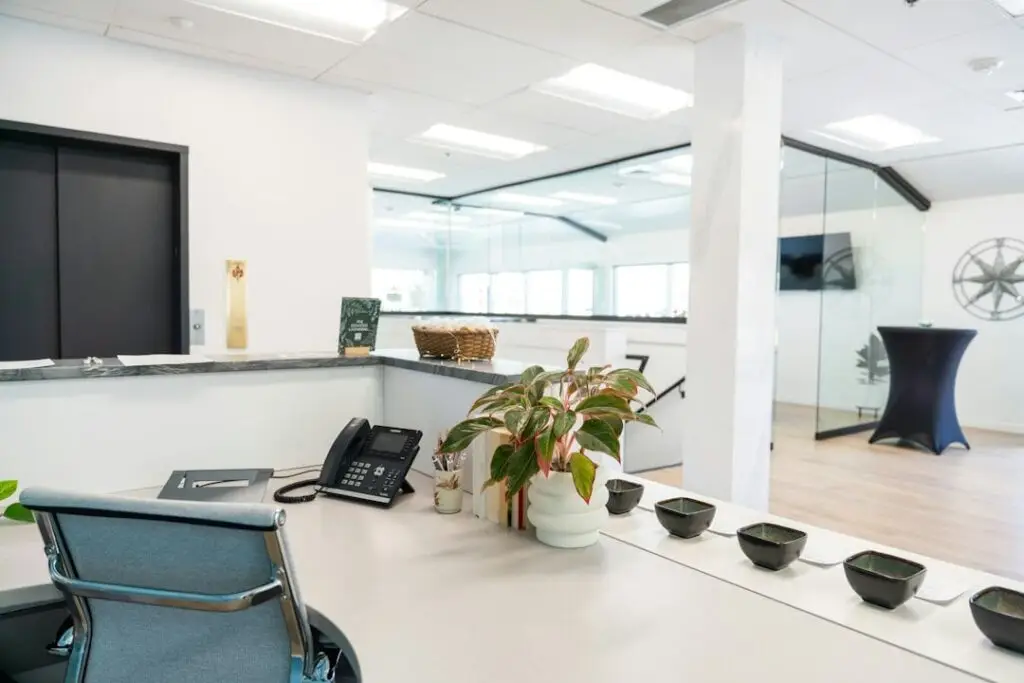
The homes that stay rated Good share one habit. They treat the five CQC key questions as a weekly operating rhythm, not an inspection prep sprint. The registered manager runs a short standing review every week on safe, effective, caring, responsive and well-led. Open incidents, open grievances, environment of care walkarounds, medication reconciliation exceptions, outstanding supervisions, and training expiries all surface in the same place.
This is where we help. AccrediCulture gives operators a single source of truth for the evidence CQC, NHS England commissioners, and international accreditors like JCI and ISQua all expect to see. Policy versioning, incident and grievance tracking, environment of care logs, emergency management drills, primary source verification for registered nurses, chart audits, and corrective action plans sit in one command centre. When the surveyor asks for the last six months of medication errors with the CAPA attached, the registered manager pulls it in a minute, not a week.
The payoff is specific. Only 29.7% of homecare locations currently have up-to-date CQC ratings, and the uninspected backlog has grown by 64% in 14 months, from 2,879 to 4,727 locations. That means when CQC does arrive at your service, the inspection carries more weight, not less. The homes that treat every week like survey week come out the other side with the rating protected.
Frequently asked questions
How long does a care home stay in CQC special measures?
CQC re-inspects within six months of placing a service in special measures. If the home has not made sufficient improvement at that point, the regulator can begin the process of preventing the provider from operating the service, as described in published enforcement notices.
Do international accreditors like JCI replace CQC registration?
No. CQC registration is a legal requirement for providers of regulated activities in England. JCI accreditation and ISQua recognition sit alongside CQC and are often used by providers who want to benchmark against international standards or operate in multiple countries. The two frameworks overlap heavily on staffing, safeguarding, medication management and governance.
What should a care home do the week a special measures report publishes against a peer?
Read the full report. Map each cited regulation to your own evidence. Run a focused chart audit on the areas CQC flagged, open a corrective action plan on anything you cannot immediately prove, and brief the registered manager and clinical lead the same week. The published reports are the clearest free survey prep CQC provides.
What does AccrediCulture actually do for a UK care home?
We give the registered manager and provider one place to manage policies, incidents, grievances, environment of care, emergency management drills, credentialing and chart audits, with the evidence structured the way CQC surveyors expect to see it. The team stops rebuilding binders before every inspection and starts running the home from a single command centre.
References
- Care Quality Commission: The state of health care and adult social care in England 2023/24
- CQC press release: Action to protect people at Clubworthy House, Cornwall
- Homecare Association: CQC homecare regulation deteriorates further as inspection backlog grows
- Homecare Association: CQC regulatory performance in homecare, August 2024
- Joint Commission International: Home Care Accreditation Program
- International Society for Quality in Health Care (ISQua)
- NHS England